
product series
choosing in one solution
Outdoor series
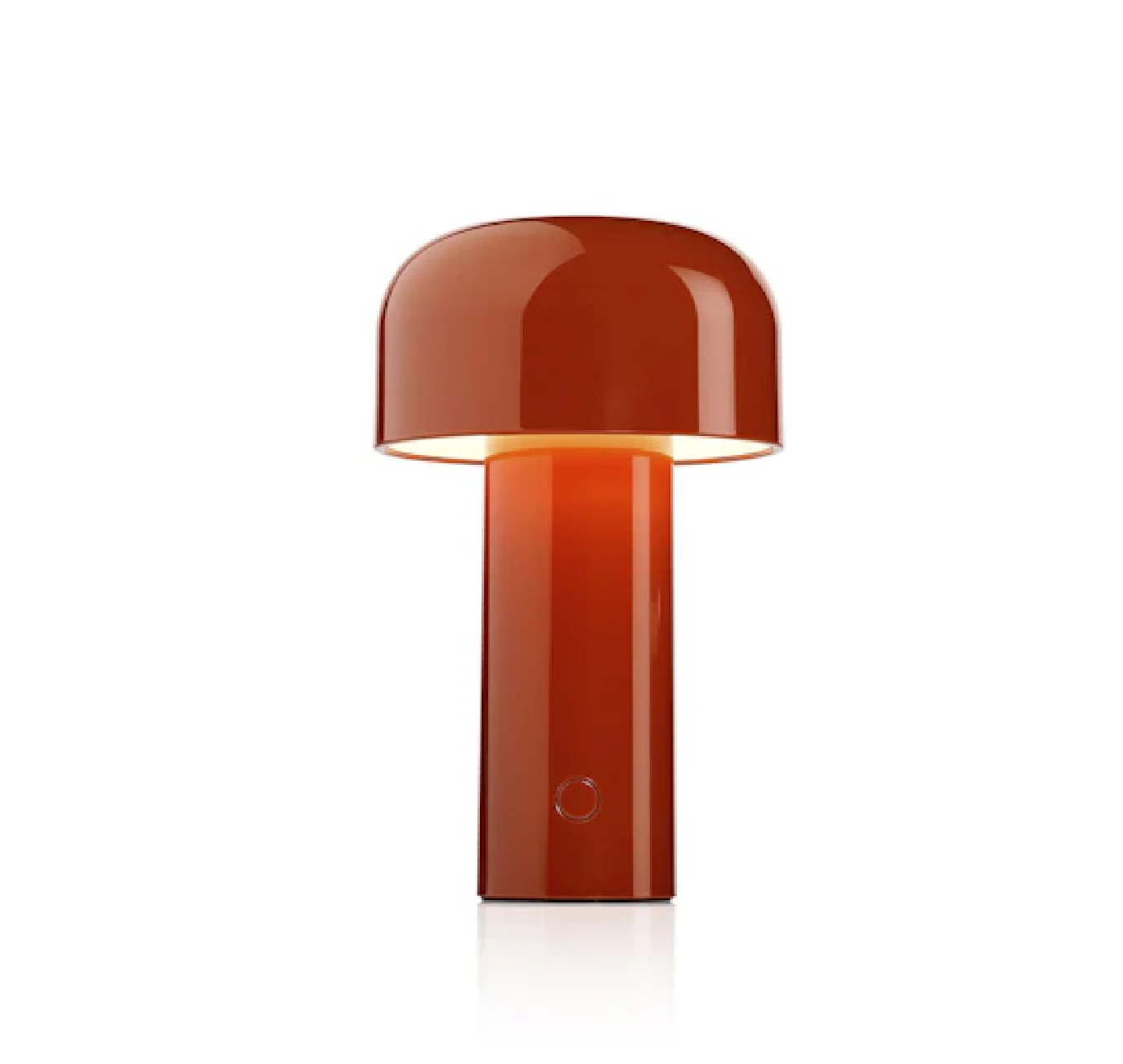
Bellhop Table:
Rechargeable direct light table lighting device. Base and dome in coloured PC.
EAN: 8059607001325
Mounting: Table
Environments: Indoor dry location
Light Source Type: LED
LED type: LED Module
Power (W): 2.5
System flux (lm): 151
Item Code: 8059607001325
Outdoor series
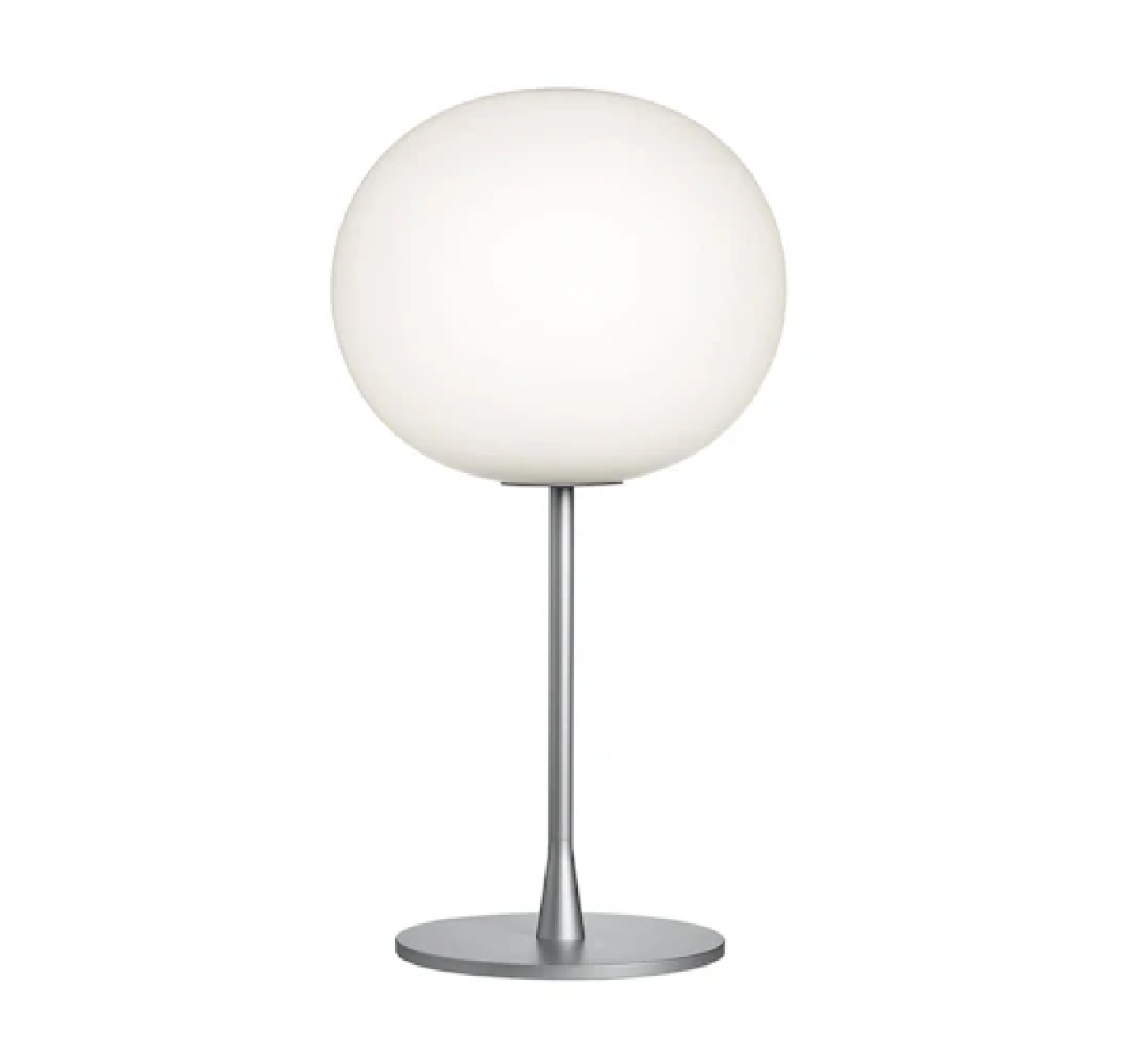
Glo-Ball Table:
able/desk lamp providing diffused light. Diffuser consisting of an externally acid-etched, hand blown,
flashed opaline glass and a die-cast threaded ring nut with Alodine plating finish.
EAN: 8059607002261
Mounting: Table
Environments: Indoor dry location
Light Source Type: Bulb
Lamp category: Halogen
Lamp holders: E27
Ilcos: HSGS
Number of heads: 1
Power (W): 150
Item Code: 8059607002261
Outdoor series
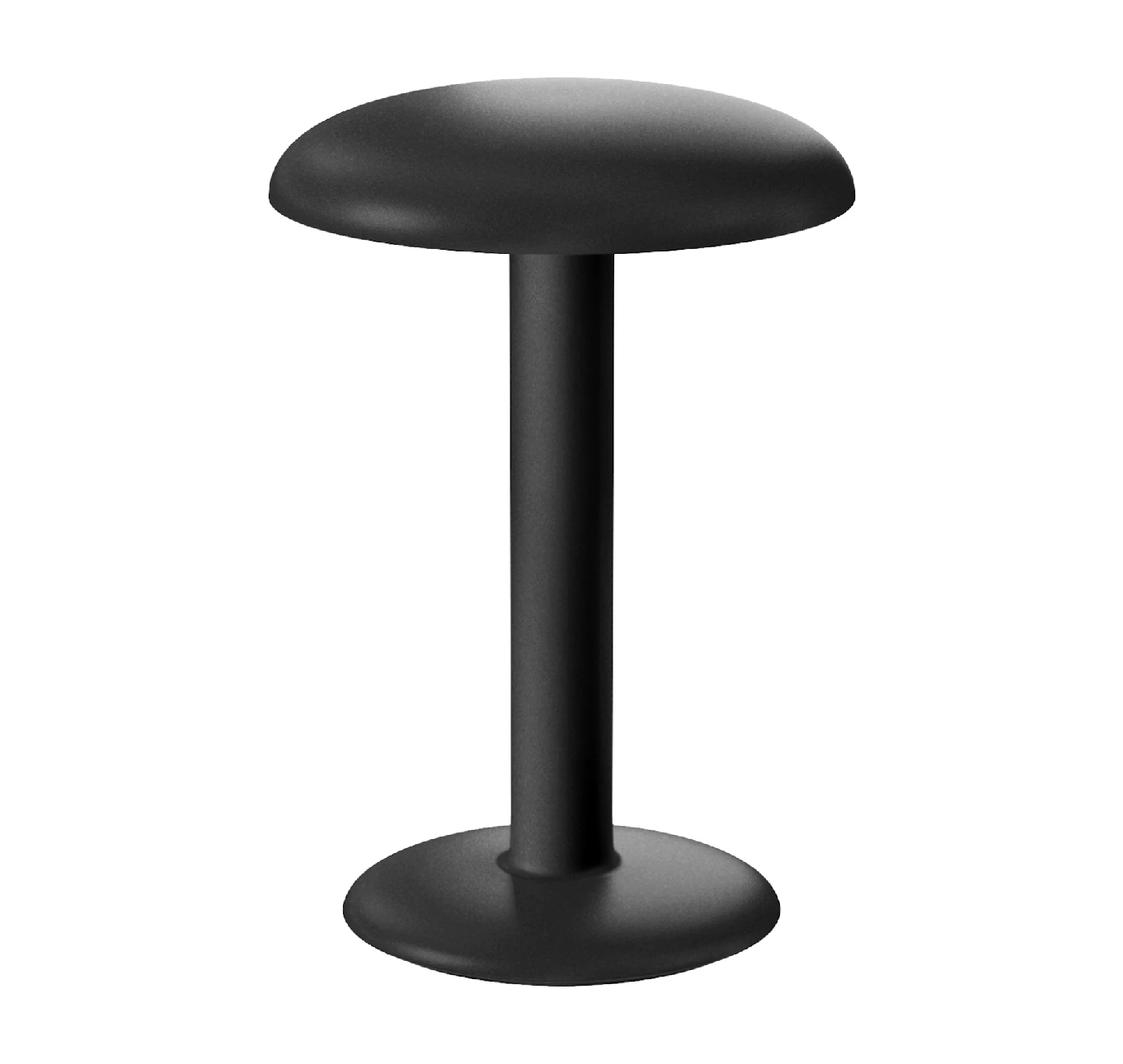
Gustave:
Thanks to the particular lighting diffusion technology, the table rechargeable lamp perfectly lights up a wide surface stretching up to a meter.
Mounting: Table
LED type: Top LED
Lamp category: LED
Number of heads: 1
Power (W): 2.3
System power (W): 2.3
Source flux (lm): 221
System flux (lm): 159
Efficacy (lm/W): 69
Item Code: Gustave
Outdoor series
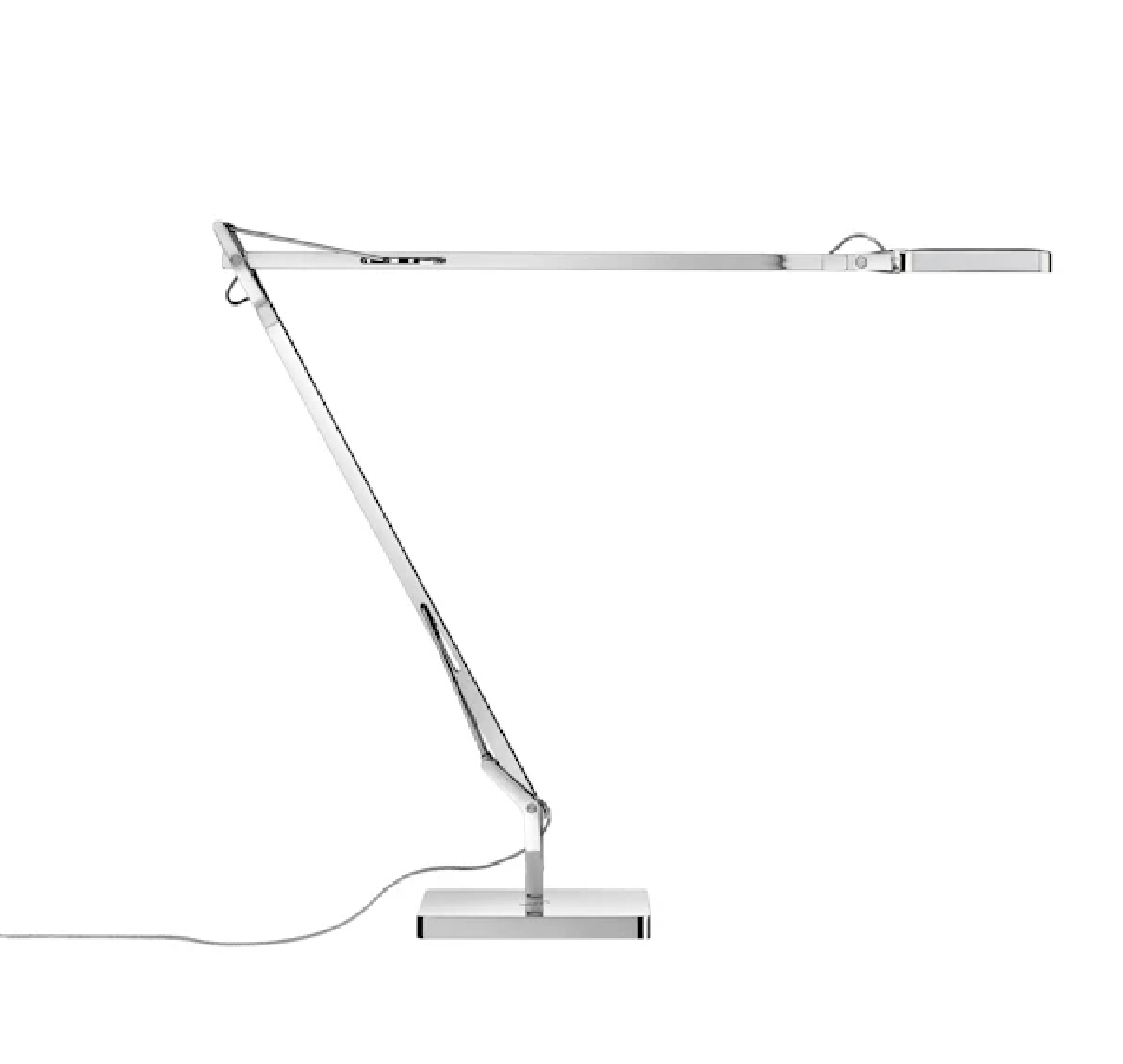
Kelvin Led :
Adjustable table lamp providing direct lighting, with double pantograph arm and adjustable head. Fused aluminum alloy body.
Mounting: Clamp
Environments: Indoor dry location
Light Source Type: LED
LED type: LED Module
Power (W): 8
System flux (lm): 285
Item Code: Kelvin Led
Outdoor series
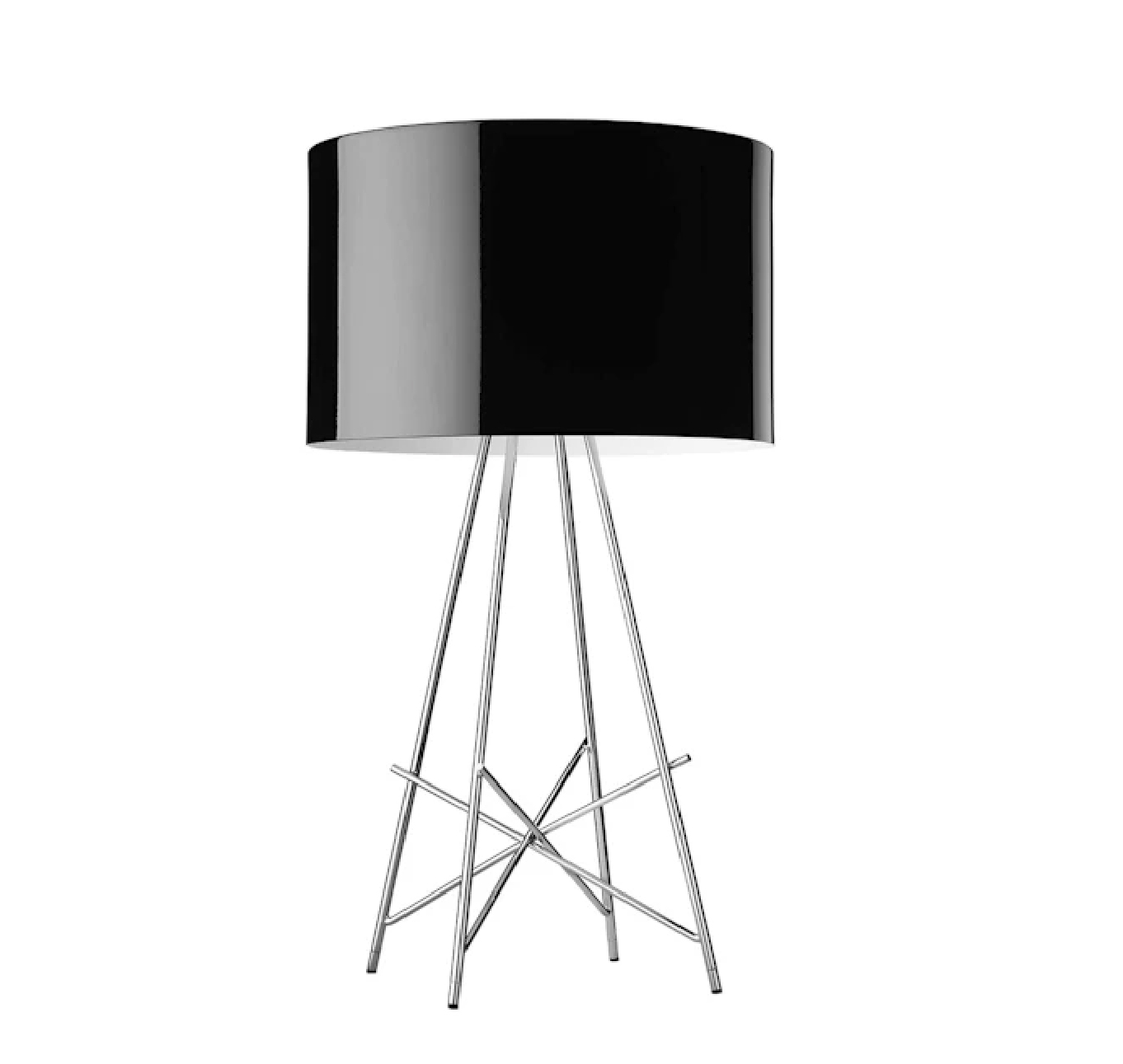
Ray Table:
Table lamp providing diffused lighting. Steel tube (10 mm diam.) structure, welded, brushed and chrome-plated.
Mounting: Table
Environments: Indoor dry location
Light Source Type: Bulb
Lamp category: Halogen
Lamp holders: E27
Ilcos: HSGS
Number of heads: 1
Power (W) :150
Item Code: Ray Table
Outdoor series
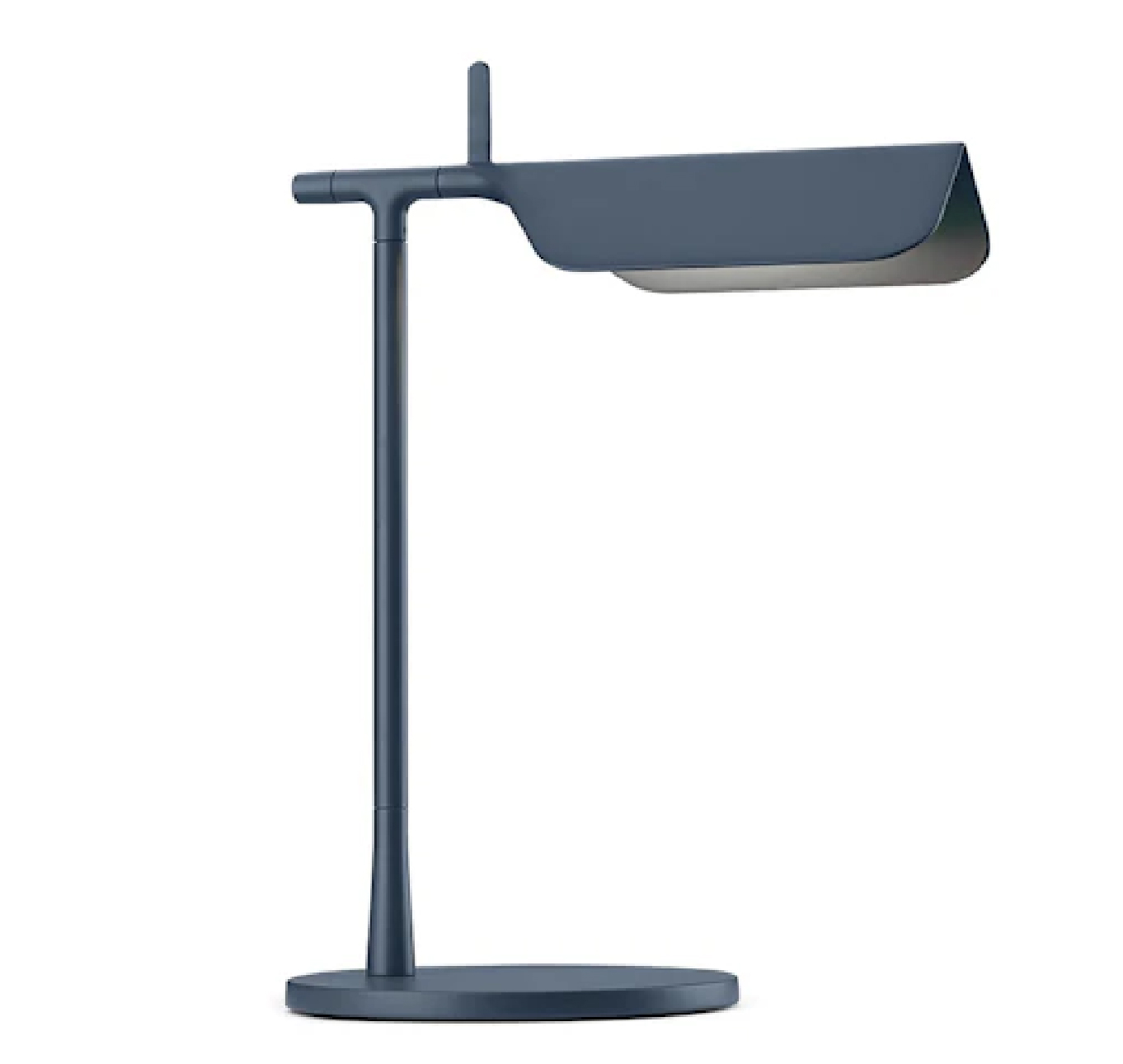
Tab Table:
Table luminaire providing direct lighting with adjustable head. Body in painted pressofused aluminum.
EAN: 8059607006542
Mounting: Table
Environments: Indoor dry location
Light Source Type: LED
LED type: LED Module
Power (W): 9
System flux (lm): 347
Item Code: Tab Table Cover
Outdoor series
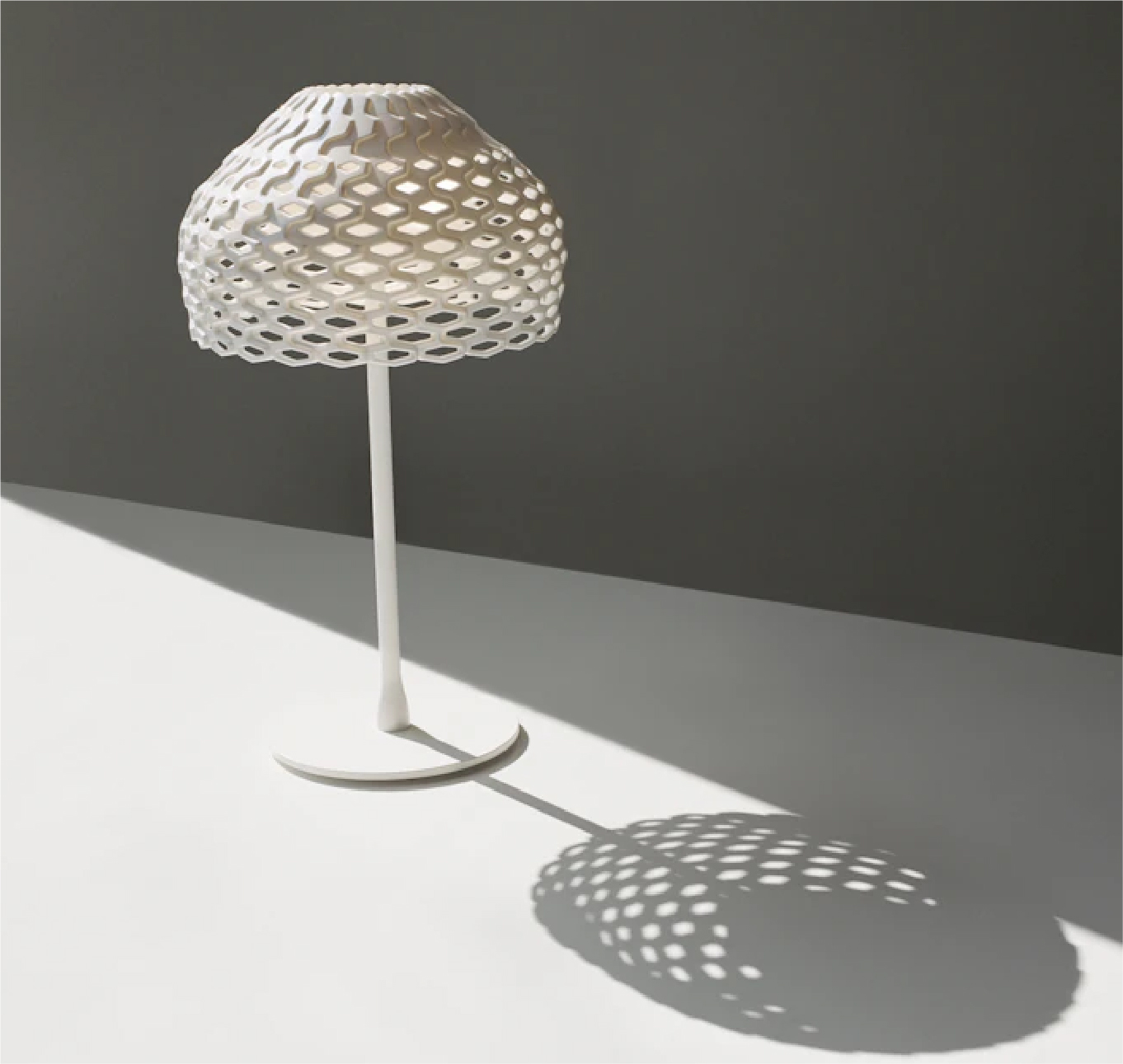
Tatou :
Diffused light table lamp. Exterior diffuser in Polycarbonate. Internal diffuser in injection printed opal polycarbonate. Support and base in painted steel.
Mounting: Table
Environments: Indoor dry location
Light Source Type: Bulb
Lamp category: Halogen
Lamp holders: E27
Ilcos: HSGS / FBT
Number of heads: 1
Power (W): 70
Item Code: Tatou Table 1
Outdoor series
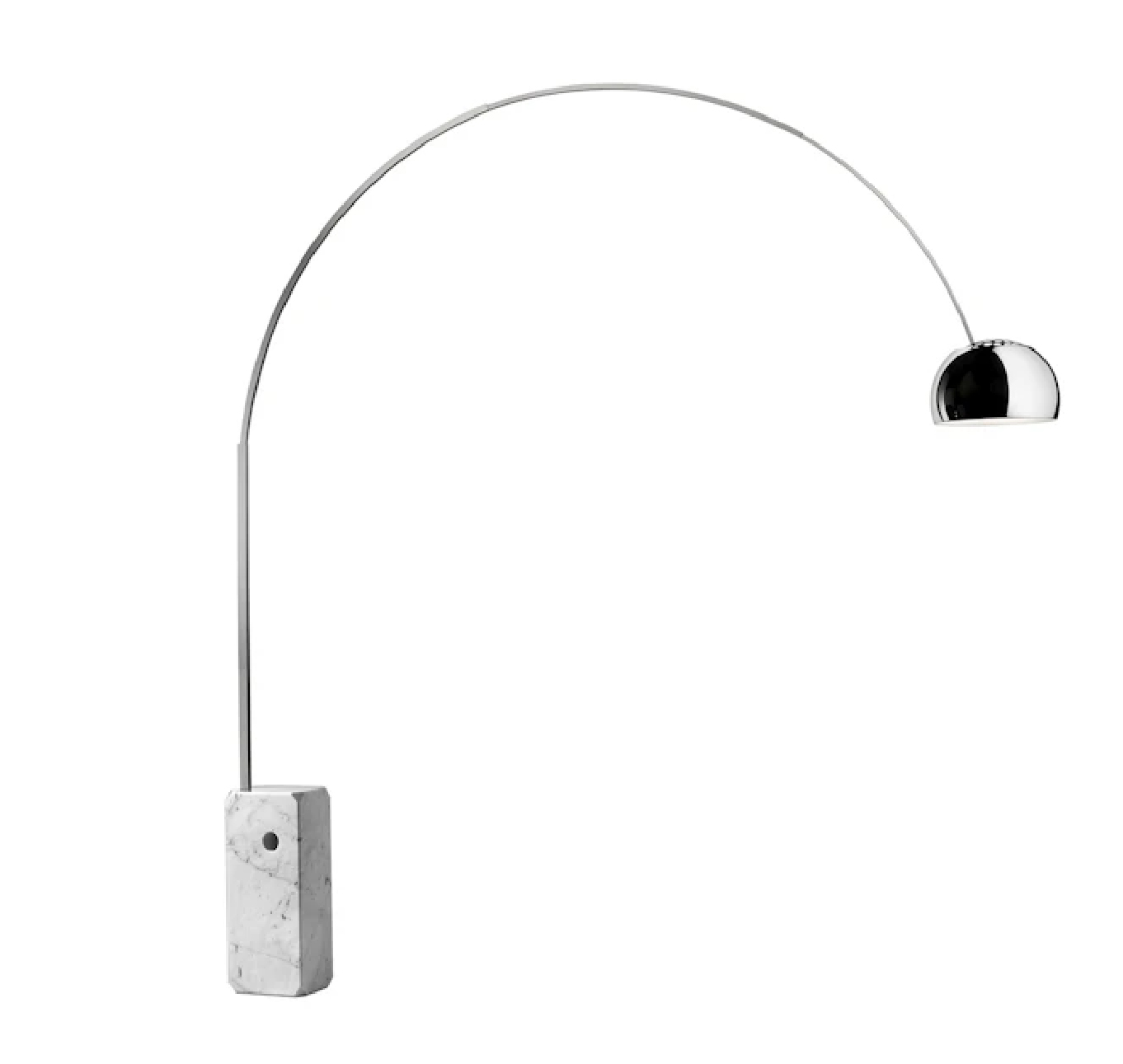
Arco:
One of the most recognizable objects ever, Arco boasts a parallelepipedal marble base counterbalancing the iconic arched metal stem.
EAN: 8059607000991
Mounting: Floor
Environments: Indoor dry location
Light Source Type: LED
LED type: LED array
Power (W): 28
System flux (lm): 1224
Item Code: Arco
Outdoor series
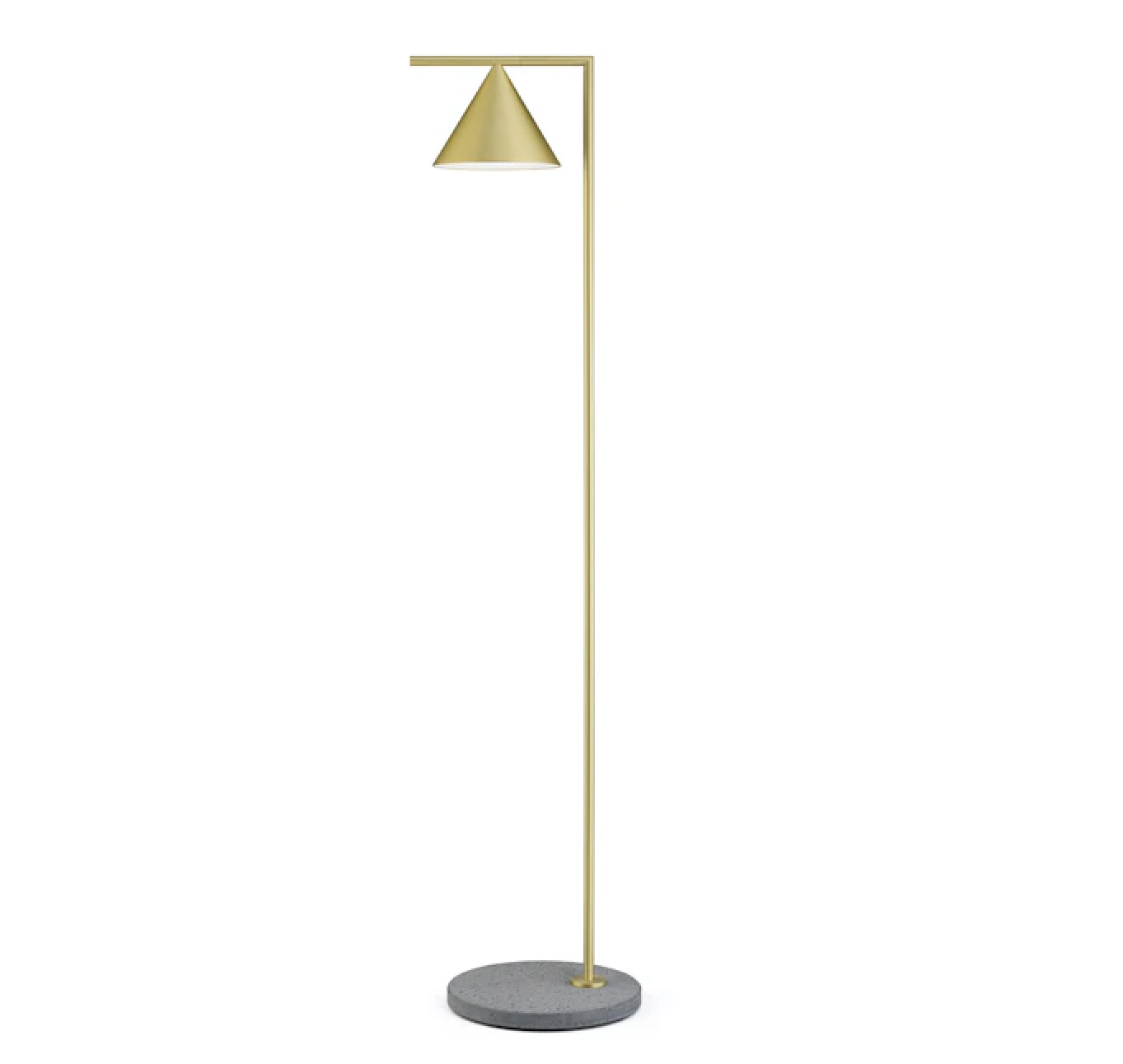
Captain Flint:
With body and head in 4 finishes and natural stones for its base, Captain Flint Outdoor steals the scene to any outdoor setting.
Mounting: Floor
Environments: Outdoor wet location
LED type: LED array
Lamp category: LED
Ilcos: No
Power (W): 11
Source flux (lm): 1099
System flux (lm): 669
Item Code: Captain Flint Floor
Outdoor series
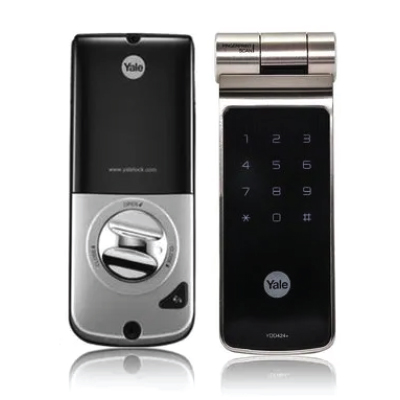
One-touch fingerprint verification method
> PIN Code/Mechanical key override
> Tubular deadbolt
> Voice guide feature
> Smart touchpad
> Automatic locking
> Break-in/damage alarm
> Low battery alarm and emergency power supply
> DeadBolt lock Type
> Pin code: 6-12 digits
> Finish: Champagne Gold
> Front Body: 31.5 mm (D) X 66 mm (W) X 176 mm (H)
> Back Body: 35 mm (D) X 70 mm (W) X 170 mm (H)
> Door Thickness : Suitable for 40-55 mm Wooden Doors
Item Code: YDD 424 A
Outdoor series
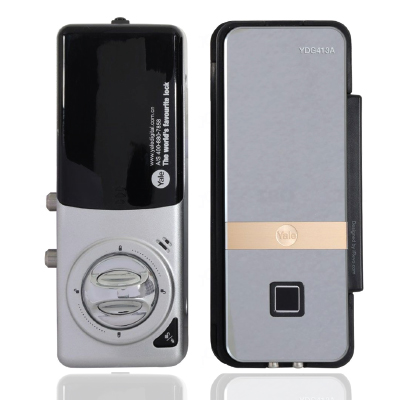
Biometric Finger Print Scan
> PIN Code
> Smart Connectivity: Bluetooth, Z-Wave and Zigbee
> Technical Specifications:
> Front Body :72.8 (W) x 186 (H) x 14 (D) mm
> Back Body :77.5 (W) x 190.5 (H) x 48.8 (D) mm
Item Code: YDG 413
Outdoor series
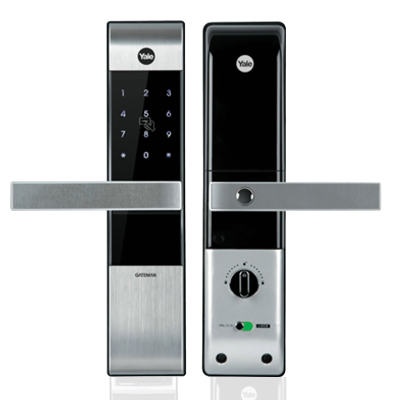
Double credentials (PIN code & RF Card key)
> Proximity card: 4 (up to 40 users)
> Mechanical key: 2
> Center distance: 72mm
> Backset: 60mm
> Door thickness: 40-80mm
> Dimensions: front body 27 (D) x 68.6 (W)x306.6 (H)mm; back body 37(D)x72.8 (W9x 306.6 (H)mm
> Mechanical key override
> Automatic locking
> Low battery alarm & emergency power with 9v battery
> Alarm (break-in/damage)
Item Code: YDM 3109 A
Outdoor series
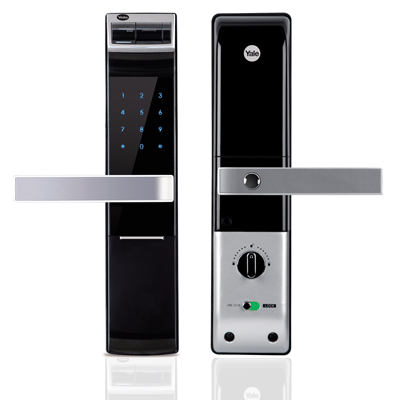
Multiple Access Options
> Control your front door from anywhere with your phone
> Receive alert notifications
> Grant entry from wherever you are with the Yale App
> Auto-lock and unlock as you come and go
> Upgraded Biometric Fingerprint
> Fingerprint
> Pin Code
> Mechanical Keys
> Wi-Fi / BLE / Remote Control (Optional)
> Easy Scan
> Voice GuideFeature
> Capacitive Touch Keypad
> Safety Lever
> Scramble PIN Setting
> Break-in / Damage Alam
Item Code: YDM 4109 A
Outdoor series
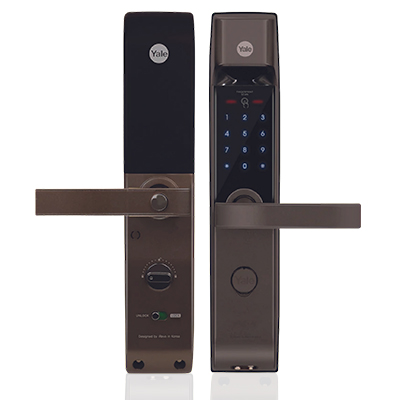
Multiple Access Options
> Control your front door from anywhere with your phone
> Receive alert notifications
> Grant entry from wherever you are with the Yale App
> Auto-lock and unlock as you come and go
> Biometric
> PIN Code
> Mechanical Key
> Remote Control
> Wi-Fi
> Bluetooth
Item Code: YDM4115 A
Outdoor series
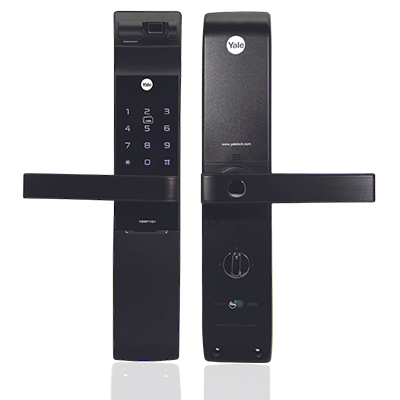
PIN Code
> Mechanical key override
> Bluetooth - via Yale Link app
> Remote Control (Optional)
> Voice GuideFeature
> Operation status notification
> Internal Forced Lock
> Low battery alarm and emergency power supply termin
Item Code: YDM 7116 A
Outdoor series
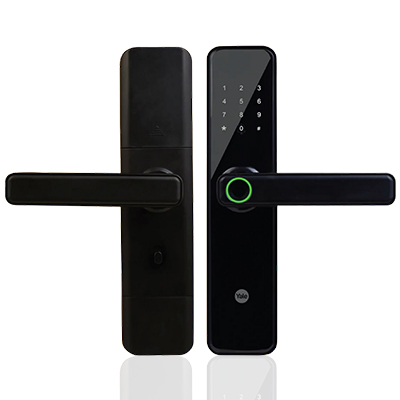
Multiple Access Options
> Emergency Power Supply
> Mechanical Key Access
> Lasting Battery Life
> Compatibility: NA
> Made of Aluminium Alloy
> AA Battery Used
> Size: 70 x 170 x 20
> Functions: Fingerprint, Pincode, RFID Card, Mechanical Keys
> Intrusion Alar
> Low Battery Alarm
> 2 x RFID Cards | 2 x Keys
> 36 Months Warranty
Item Code: YDME 50 Nxt
Outdoor series
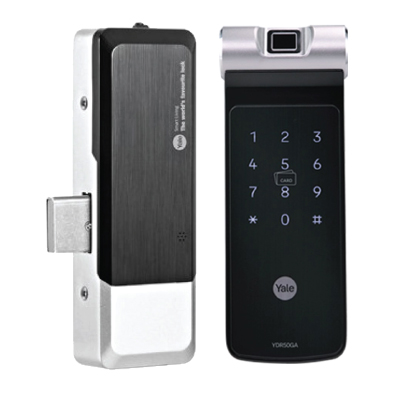
Multiple Access Options
> Emergency Power Supply
> Mechanical Key Access
> Control your front door from anywhere with your phone
> Made of Aluminium Alloy
> AA Battery Used
> Size: 70 x 170 x 20
> Functions: Fingerprint, Pincode, RFID Card, Mechanical Keys
> Intrusion Alar
> Low Battery Alarm
> 2 x RFID Cards | 2 x Keys
> 36 Months Warranty
> Front dimension: 28 mm (D) X 63.5 mm (W) X 176 mm (H)
> Back dimension: 40 mm (D) X 77 mm (W) X 220 mm (H)
> Auto-lock and unlock as you come and go
Item Code: YDR 50 GA
Outdoor series
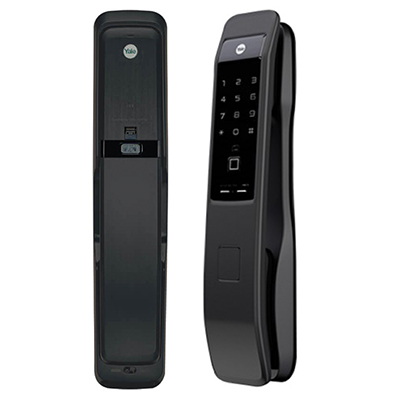
Multiple Access Options
> Emergency Power Supply
> Mechanical Key Access
> Control your front door from anywhere with your phone
> Made of Aluminium Alloy
> AA Battery Used
> Size: 70 x 170 x 20
> Functions: Fingerprint, Pincode, RFID Card, Mechanical Keys
> Intrusion Alar
> Low Battery Alarm
> 2 x RFID Cards | 2 x Keys
> 36 Months Warranty
> Front dimension: 28 mm (D) X 63.5 mm (W) X 176 mm (H)
> Back dimension: 40 mm (D) X 77 mm (W) X 220 mm (H)
> Auto-lock and unlock as you come and go
Item Code: YMI 70 A
ARCHITECTURAL LIGHTING
FLOS
Flos presents an unforeseen, editorial look at the exhibition at Salone del Mobile 2019, through the eyes of the photographer Luca A. Caizzi
 learn more
OUTDOOR LIGHTING
ARES
Lorem ipsum dolor sit amet, consectetur adipiscing elit. Praesent pulvinar ante et nisl scelerisque.
learn more
DIGITAL LOCK
YALE, THE WORLD’S FAVORITE LOCK
All over the world, people are actively securing all they care about; their home, their family, their personal belongings or their business with the name they trust the most. Yale protects millions of homes and businesses worldwide and is the brand behind locks of every design and function in over 125 countries.
LEARN MORE
learn more